




































I was tired of PowerShell and terminal-based workflows. So I built IXIOM, my own coding platform. I've put more than 2,000 updates into it.
01
Build the workspace I want to use.
IXIOM is the environment I develop in myself. I want projects, AI tools and the work on the code to fit together. When a workflow slows me down, I can change the platform. My own day-to-day needs are the starting point.
With OpenClaw, I organised specialised agents around their own workspaces and memories. Research, review, outreach and creative work each needed a different context. That experience shaped how I think about AI: roles, tools and the handoffs between them deserve as much care as the prompt.
That same care goes into products such as HandsOff: the first launch, the installation, the next update and recovery when something goes wrong. I use my own tools in real work. It is a direct way to notice the details that need another iteration.
I like the moment an idea becomes something you can actually use.
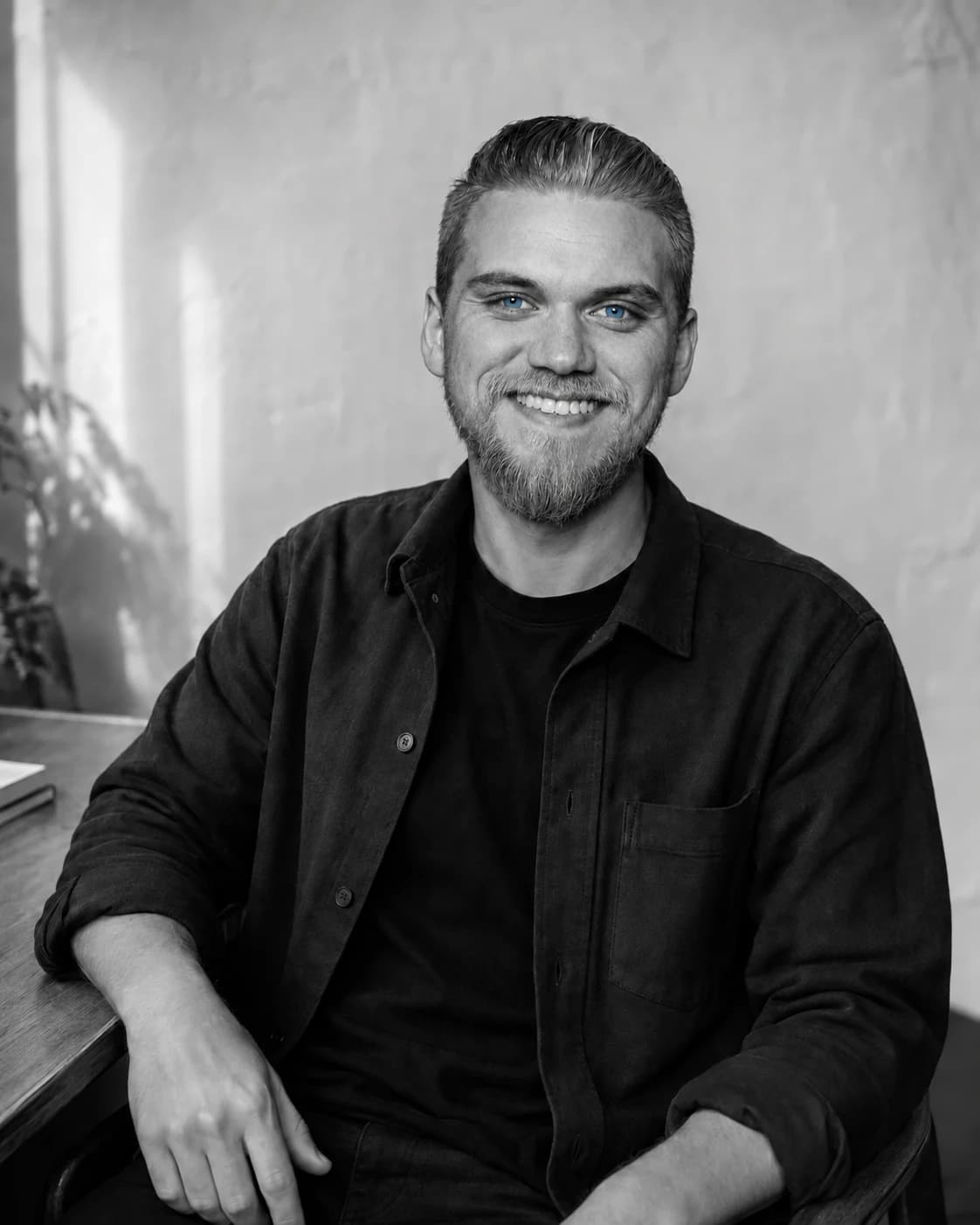
Felix Schumann
AI portrait study / 02
02 / The way I think
Fast to explore. Careful where it counts.
I work across design, code and operations because the experience runs through all three. These habits connect them.
01
Understand the day before designing the tool.
I want to know where work stalls, what people repeat and which decisions need a human. That is why a CRM gets editable stages, a board gets screenshots at the cursor and a desktop tool gets out of the way. The details come from the task.
On the Family Office Platform, an extracted value stays linked to the page it came from. The source, review status and documented decisions stay with the information. That makes it possible to check where a number came from and how it was assessed.
Installing, updating, recovering and maintaining a tool are part of its design. I build the surrounding systems too, from an account flow to a signed updater. The interesting question is how the product keeps working after the first successful demo.
Games let me explore progression, behaviour and feedback directly. A rule can sound good on paper and feel wrong in play. Browser worlds, NPCs and Unity experiments keep that connection between a system and its experience close.
A headline with rhythm, a transition that explains a change, a layout that makes the next step obvious. I enjoy the details that give an interface character. My hero catalogue gives those ideas room to be tried and compared.
A tray panel, a small time tracker, a better way to find a large folder. I keep building tools for my own working day. Using them is a quick way to find out which details matter and which features can wait.